
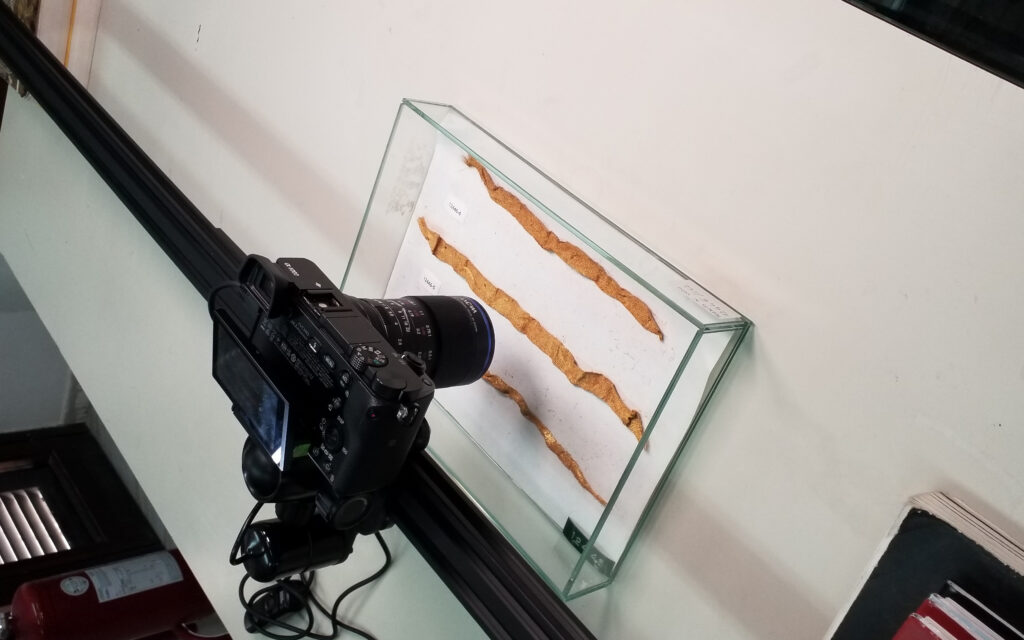
This use case highlights a vast and iconic archive of stage costumes from the Opera Theatre of Rome, spanning the 19th century to today. Worn by legendary performers such as Carla Fracci, Pavarotti, and Nureyev, and designed by great artists like De Chirico and Zeffirelli, these garments embody Italy’s rich scenographic and sartorial tradition. With over 80,000 items crafted from diverse materials, such as fibres, feathers, sequins, and metallic threads, the collection reflects changing styles, techniques, and performance practices over two centuries. However, documenting such complexity, especially reflective or layered surfaces, presents major challenges. TEXTaiLES uses computational imaging, 3D scanning, and AI-powered digital twin technologies to record the construction, embellishment, and movement of the costumes. This approach supports conservation, metadata integration, and restoration, ensuring the long-term preservation and global visibility of this extraordinary operatic legacy.
Collection: Opera Theatre Archive in Rome
The collections [third-party OPR] comprise scene costumes worn by the most outstanding opera and ballet artists from the 19th to the present. The collection comprises an enormous textile heritage that testifies to the craftwork of well-known costume designers, e.g. Tosi, Donati, Coltellacci, and Marzot. Moreover, it includes precious stage settings and costumes of Don Carlos, directed by Visconti, or the works by Zeffirelli. The costumes created by visual artists, e.g. Guttuso, De Chirico, Calder, Luzzati, Manzu, and Pomodoro are significant. The costumes are for ballet and opera, but some examples for operettas, such as those of the Scognamiglio – Caramba company from the early 1900s, are also preserved. Equally fascinating are the costumes worn by famous artists, e.g. Carla Fracci’s tutus, Pavarotti for the Capuleti and Montecchi, Nureyev or Bolle for ballets. The wide time span means that it is possible to find the use of every material and process, from the most meticulous and artisanal ones to the faster but highly effective contemporary ones. The tailoring of the Opera Theater in Rome today boasts one of the strongest and most recognized artistic-cultural heritage traditions in Italy, exported all over the world.
Responsible partner: Sapienza University of Rome